
Plucky Survivors See Europe Day 70: Amsterdam
Date: Sunday, August 9, 2026
Start: Amsterdam, The Netherlands
End: Amsterdam, The Netherlands
Miles Traveled: 4.06 miles walking
Highlights:
- Red Light Secrets Museum
- Pianola Museum
- Anne Frank House
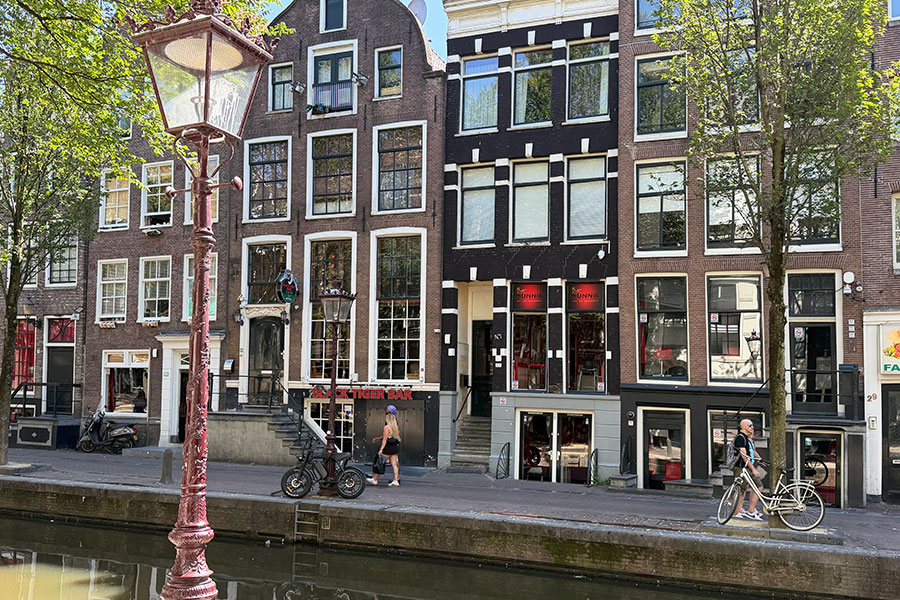
My cold may not exactly be any better today, but it isn’t any worse – still light cough and a little bit of congestion – but still taking it my version of easy. I spent the morning in bed, getting some work done and cleaning up my inbox.
A little before lunch I headed out to the first of four museums I visited, the Hash and Hemp Museum.
It’s a small place, only a couple of rooms, but it does a pretty good job of explaining the history, the growth, the legalization efforts, and the popular culture impacts of marijuana. Did you know, for instance, that the first recorded mentions of hemp were in Japan between 10,000 and 3,000 BC? It was most likely used for rope and clothing, but they are pretty sure that people figured out the fun part of it back then, too.
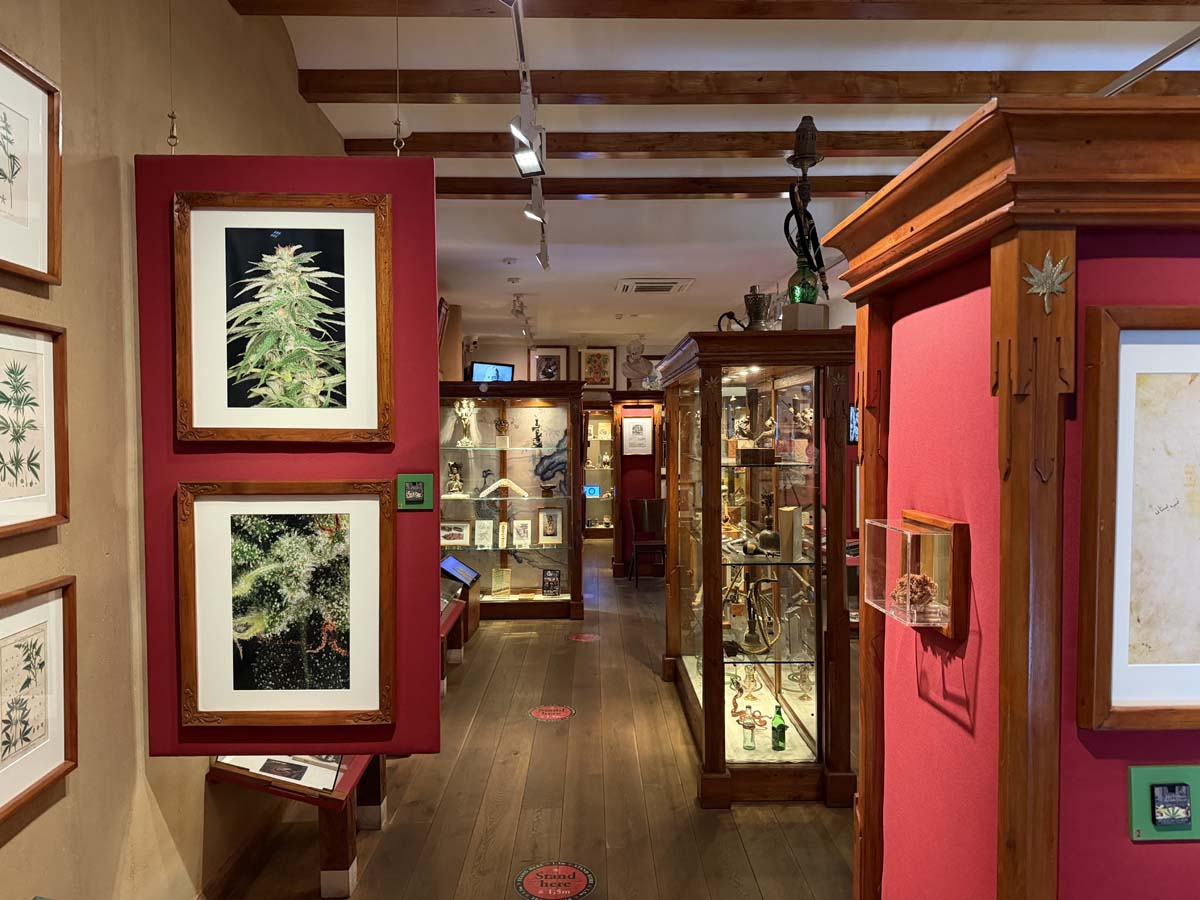
Take a deep breath.
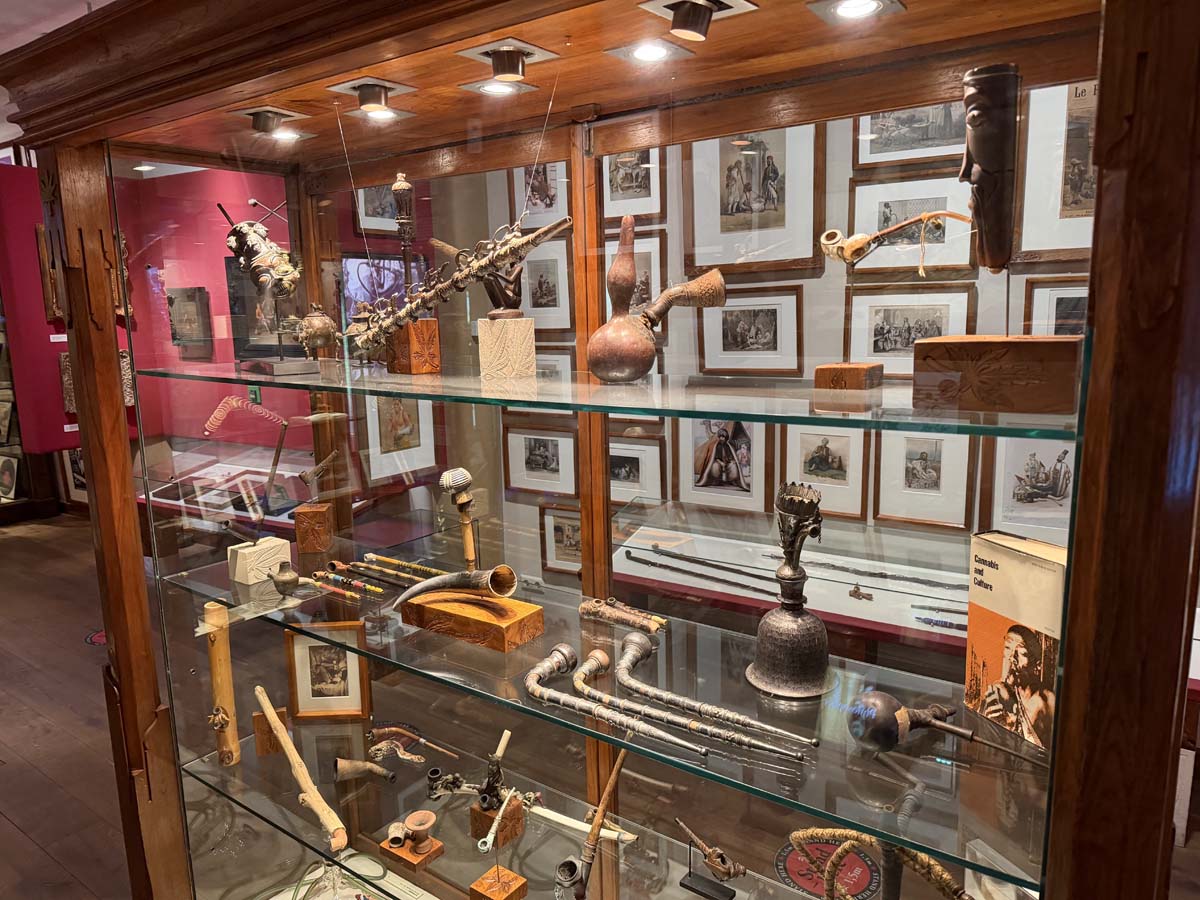
Hold it.
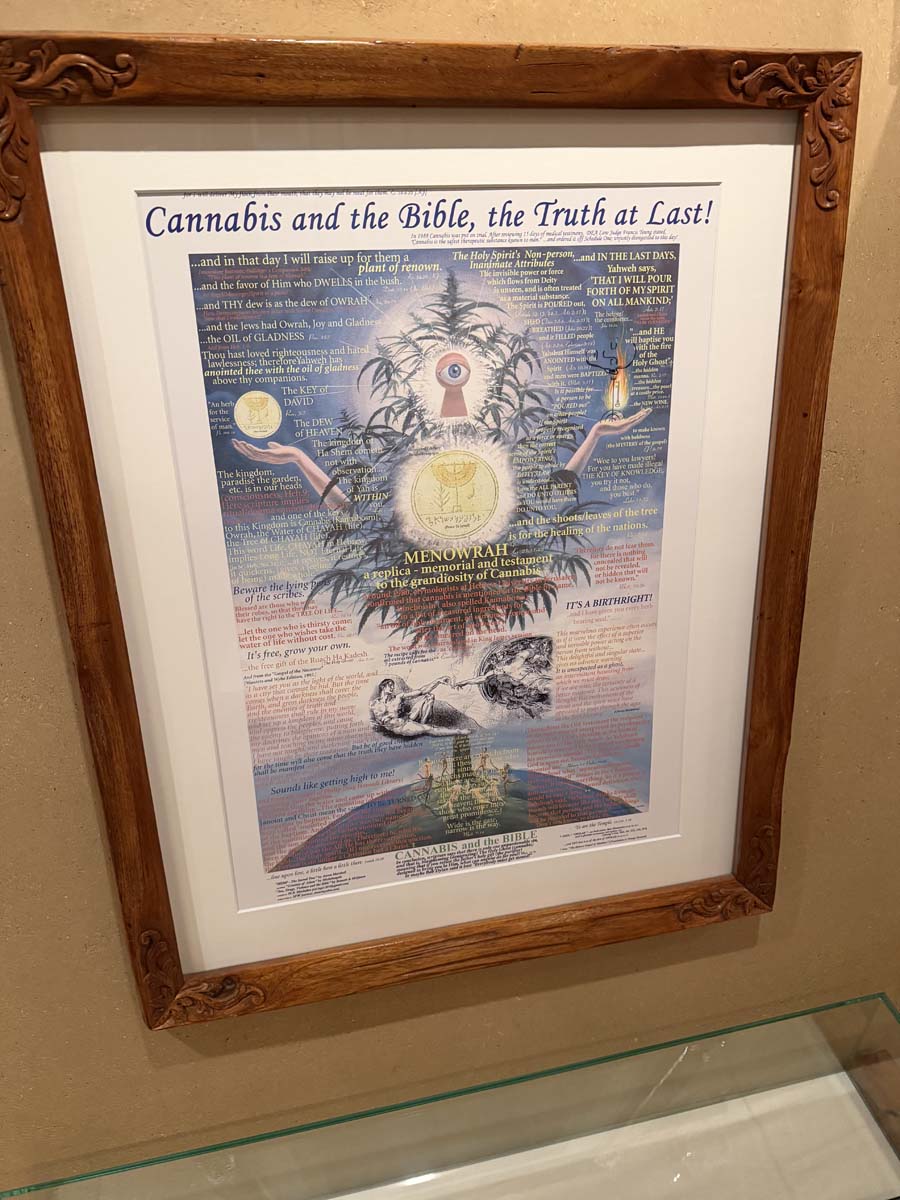
And say, Amen.
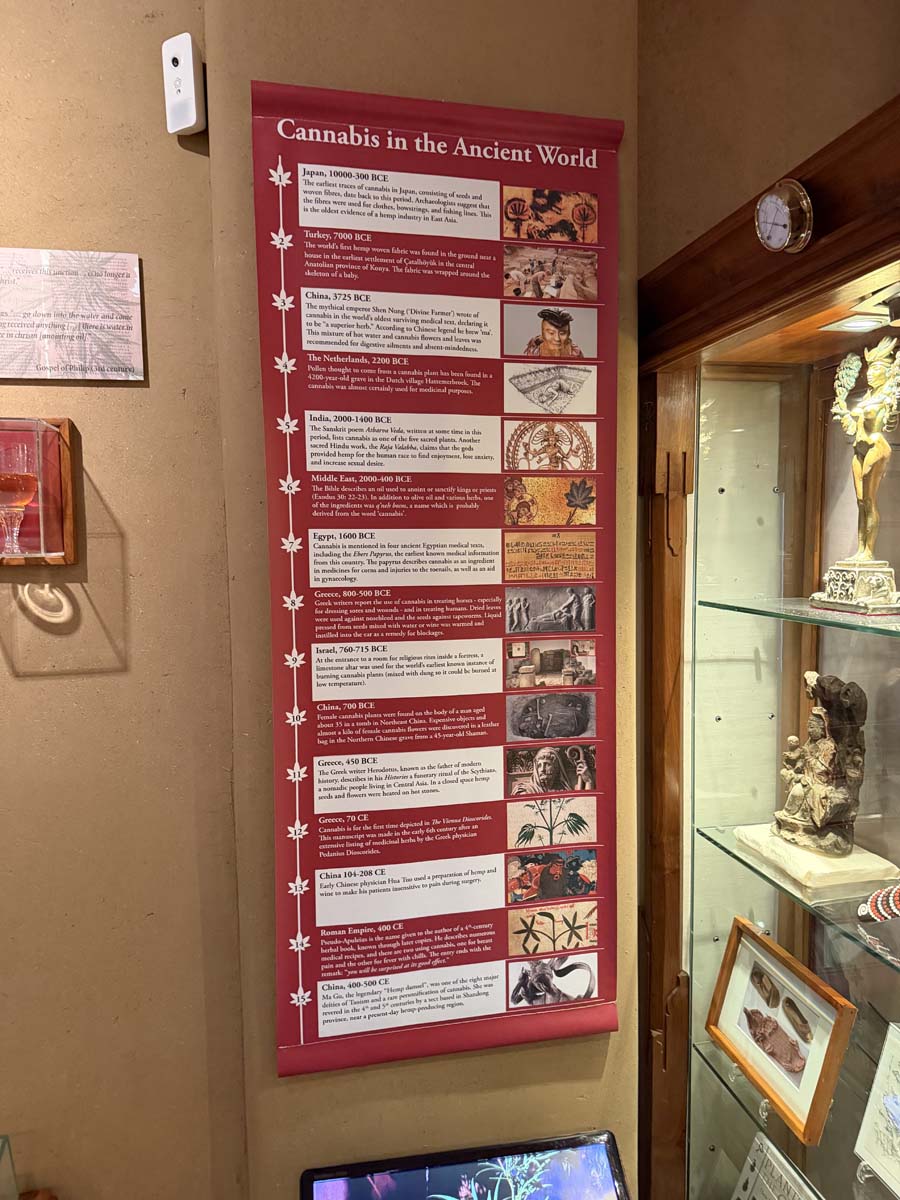
Japan… who knew?
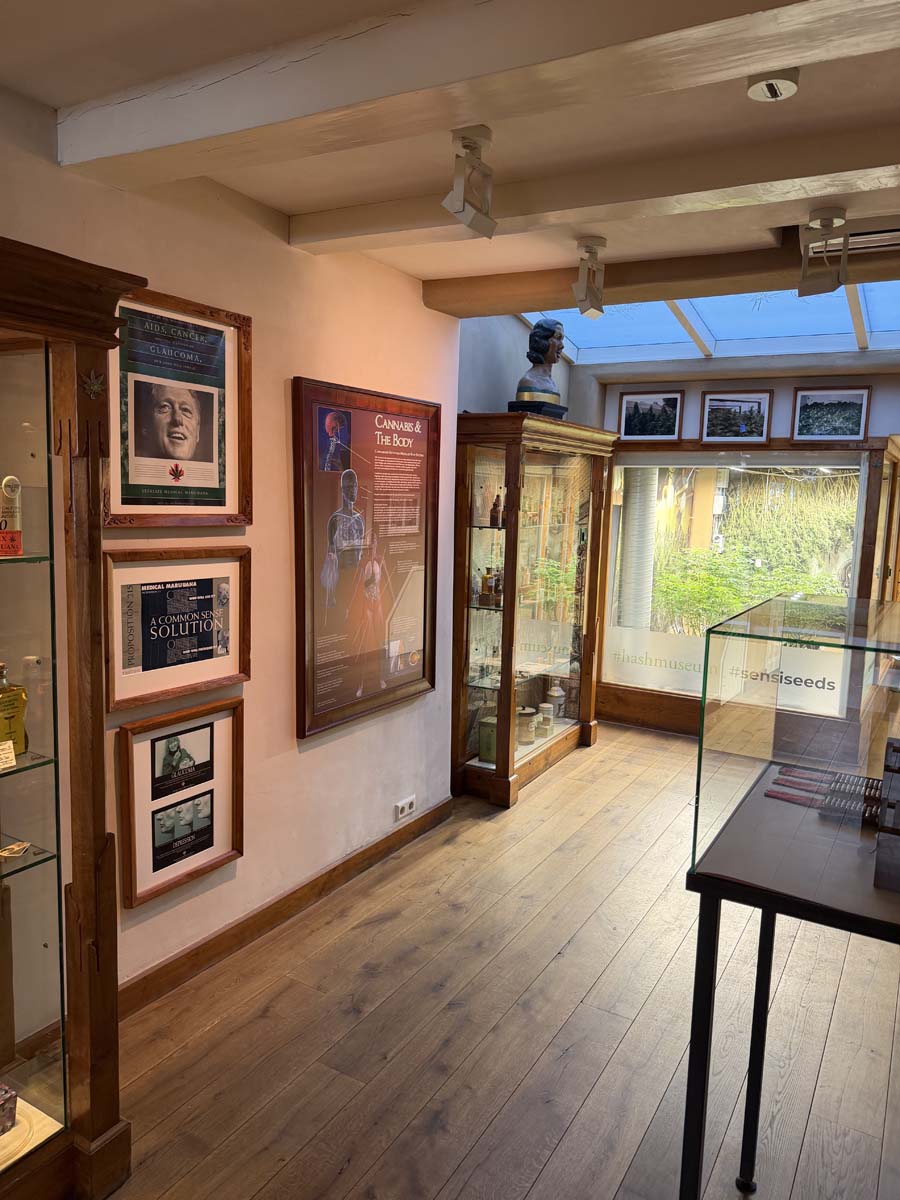
I didn’t inhale.
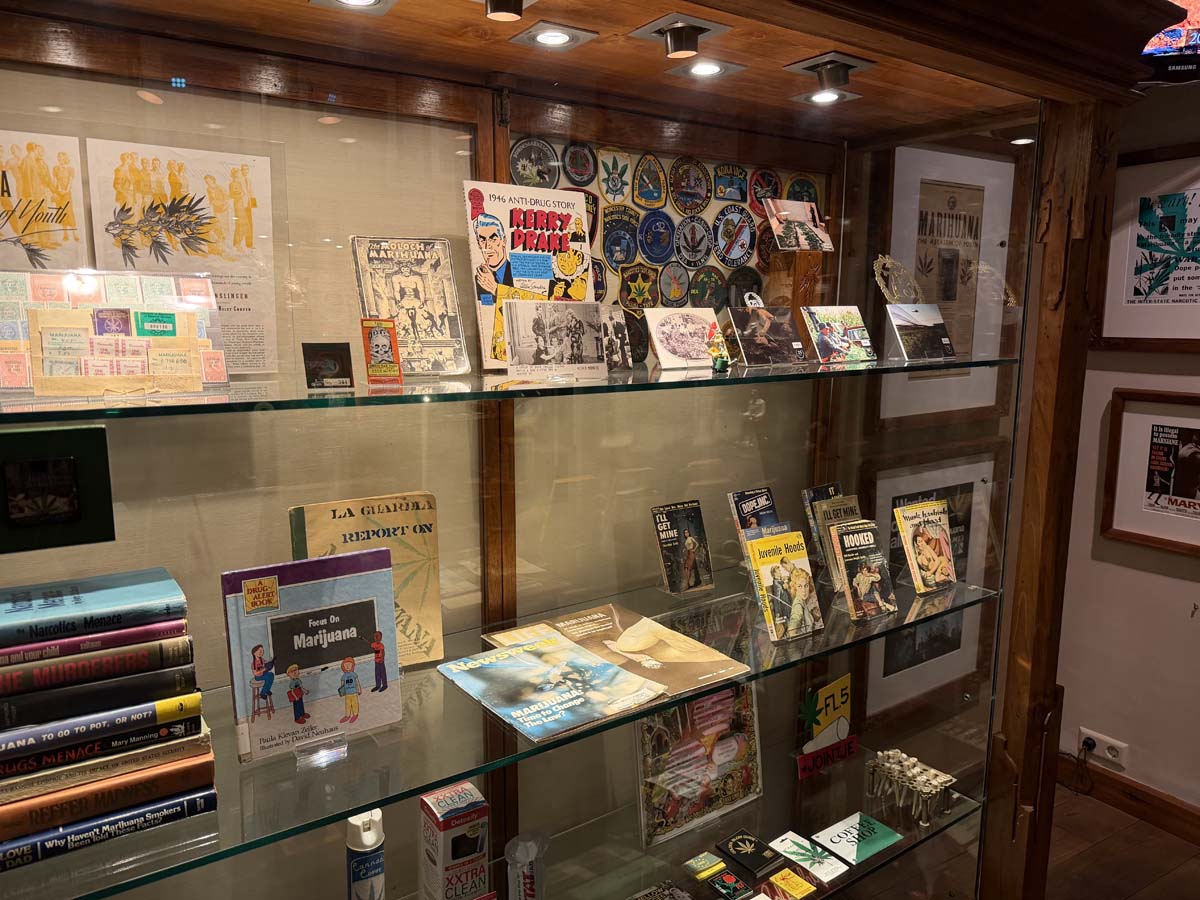
Stone lit.
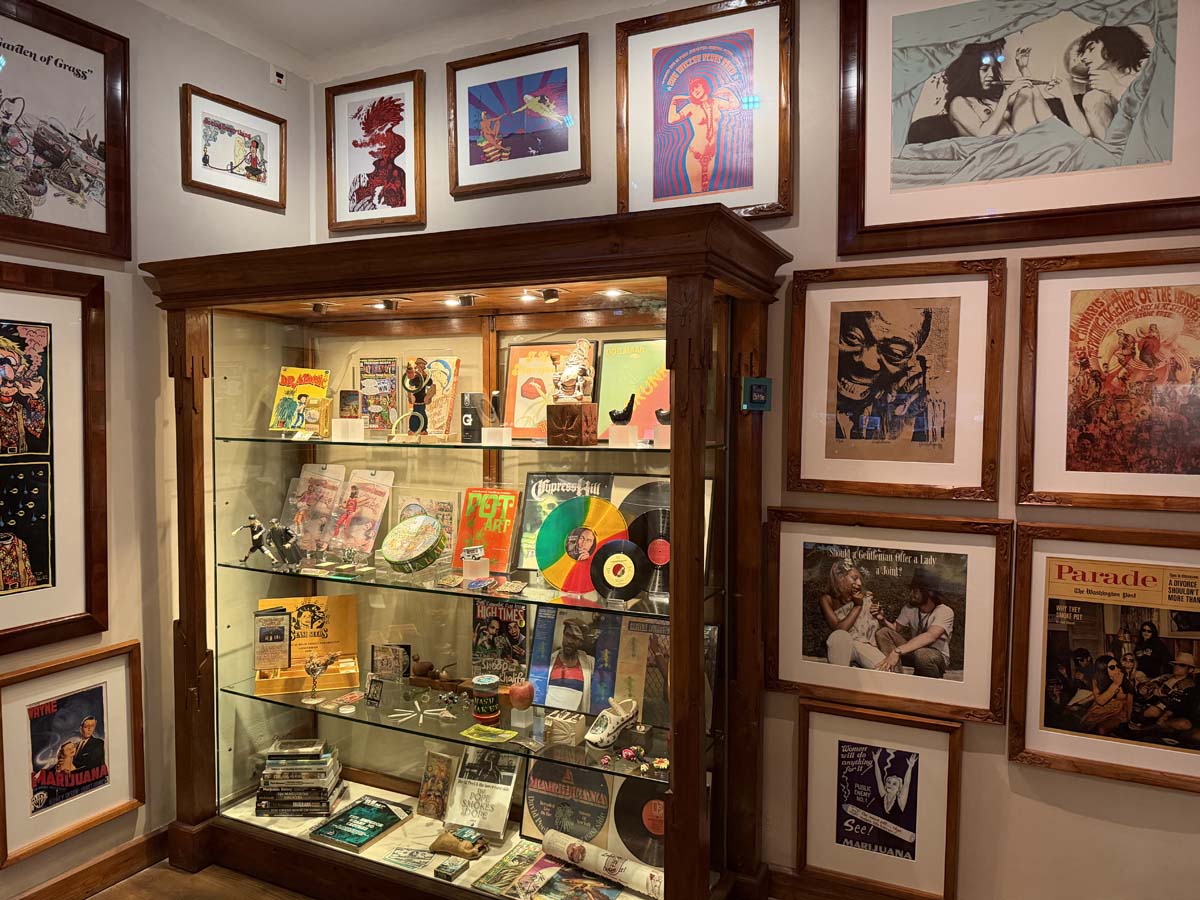
High art.
Just up the street is the infamous Red Light District, where I hit up a brothel or two. And if you believe that’s true, you really haven’t been paying attention.
No, instead I went to the Red Lights Secrets Museum, also known as the Museum of Prostitution, which is located in a former working brothel.
It’s fascinating subject matter, especially considering all the factoids they have about legal sex work in Amsterdam. The average visit to a prostitute lasts between six and fifteen minutes, the cost is negotiated between the sex worker and the client but usually starts around 50 Euros and goes up from there, and it is estimated that more than 2,000 people visit a prostitute in Amsterdam every single day. That’s a lot of sex!
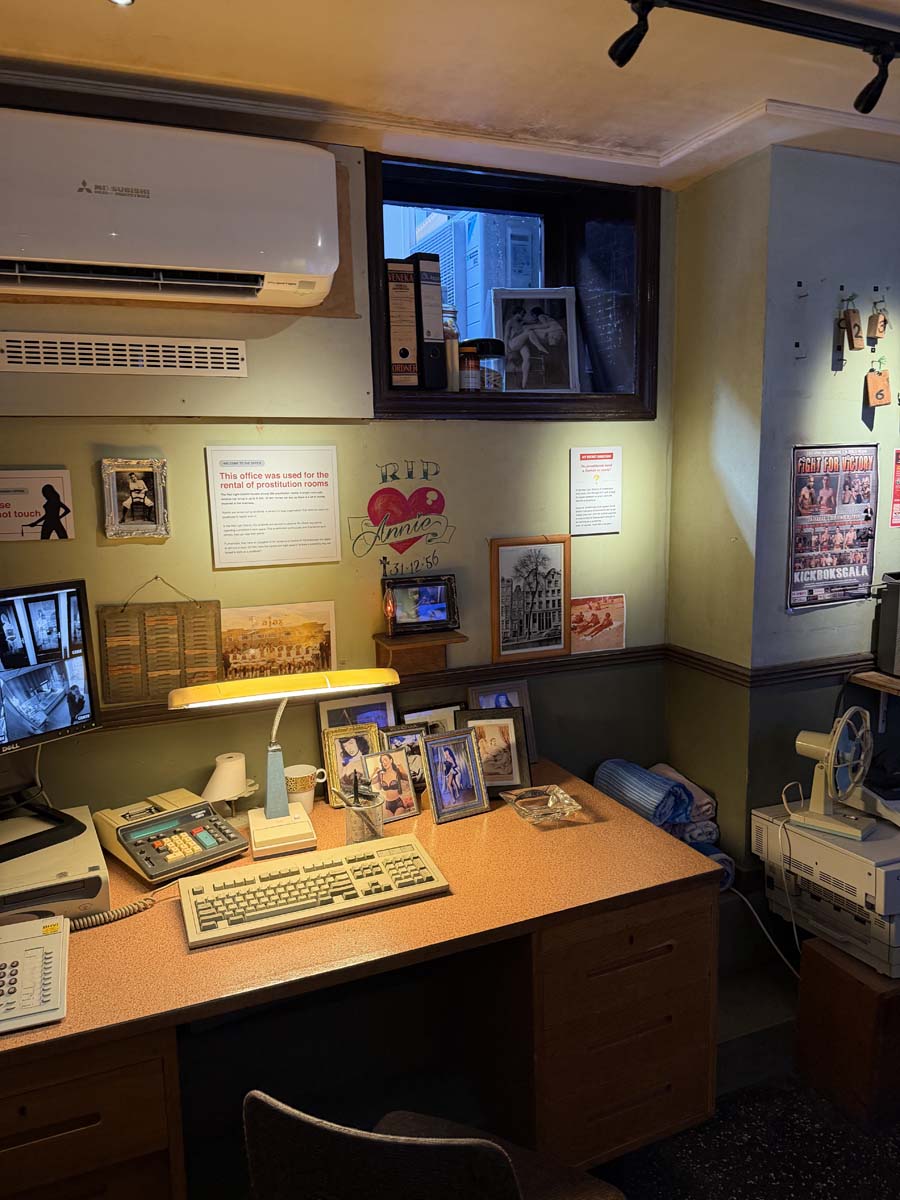
The former brothel’s office.

Hey big boy, wanna come up and see me sometime?
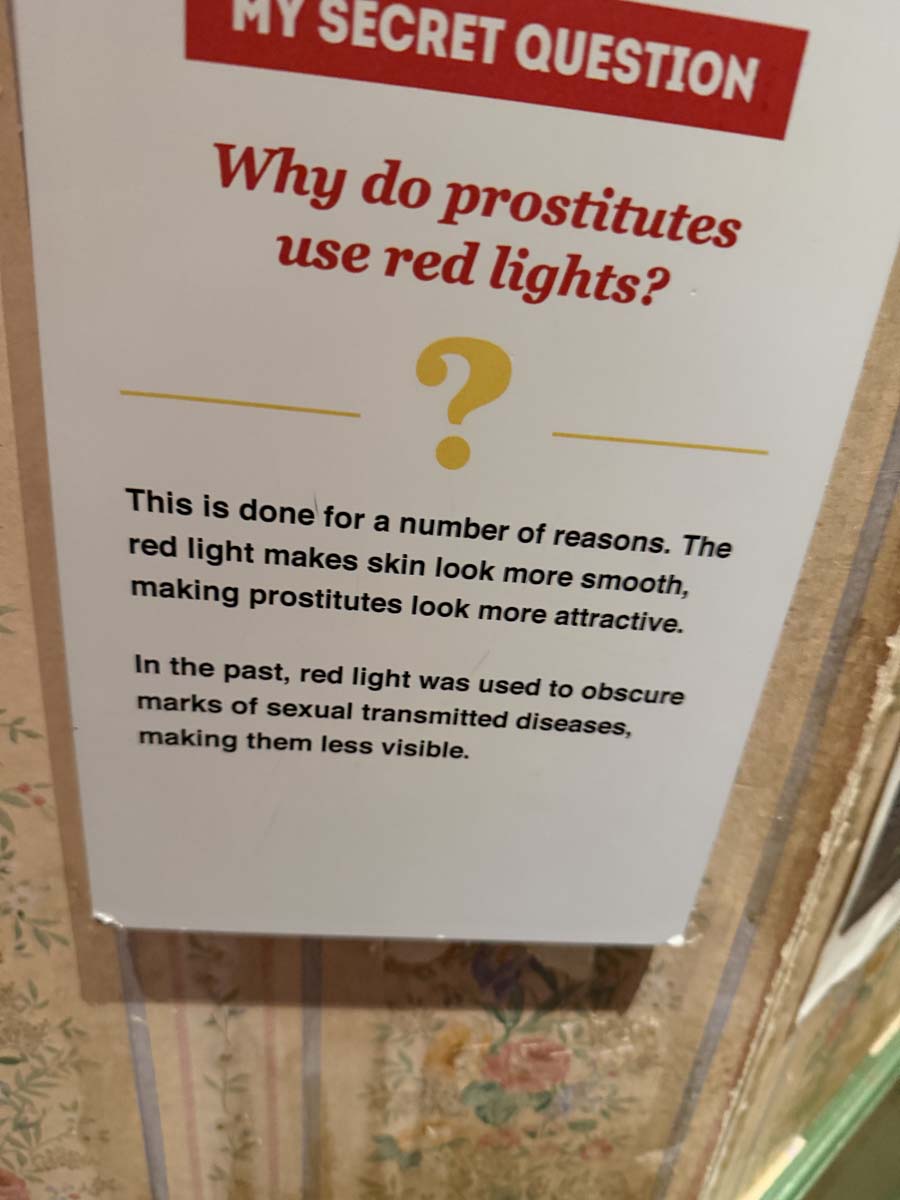
You learn something new every damn day of your life.
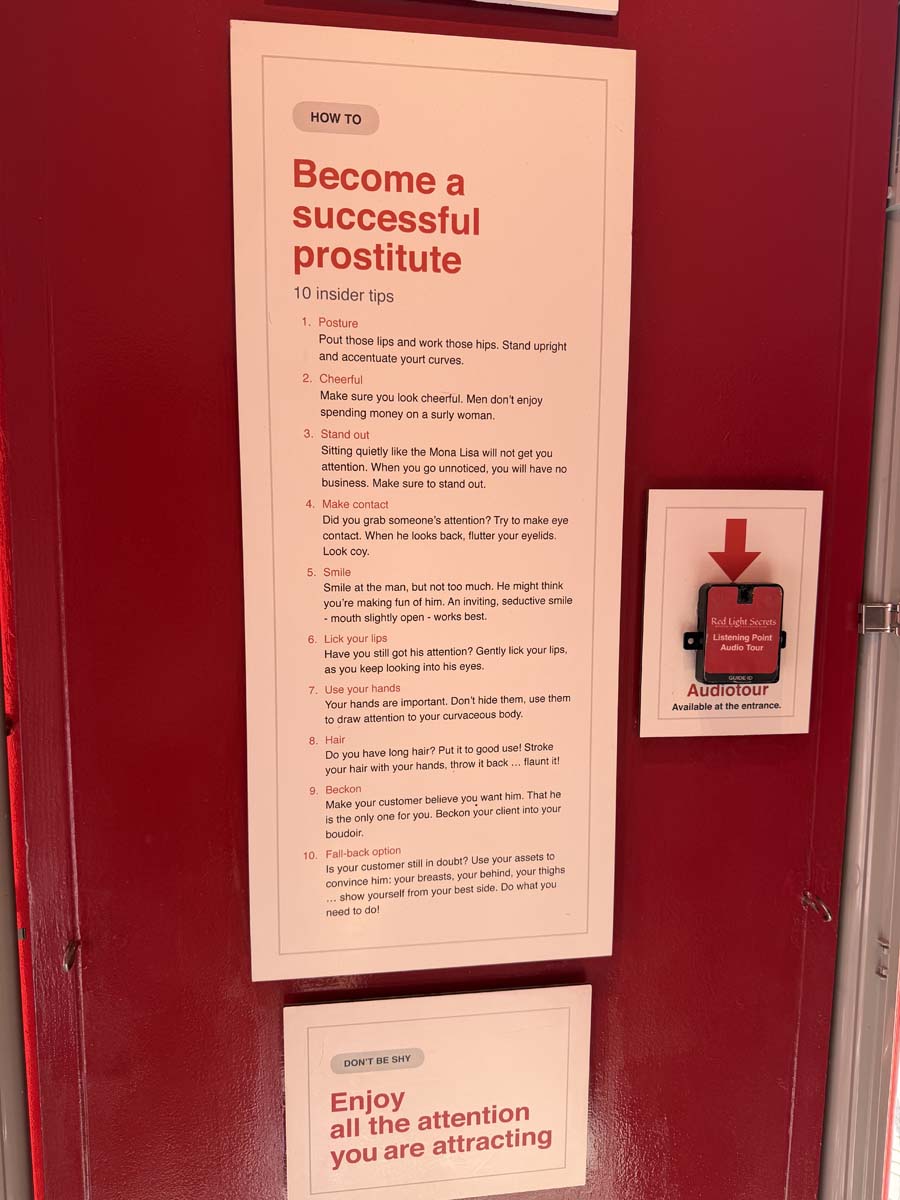
Just in case you’re looking to change careers.
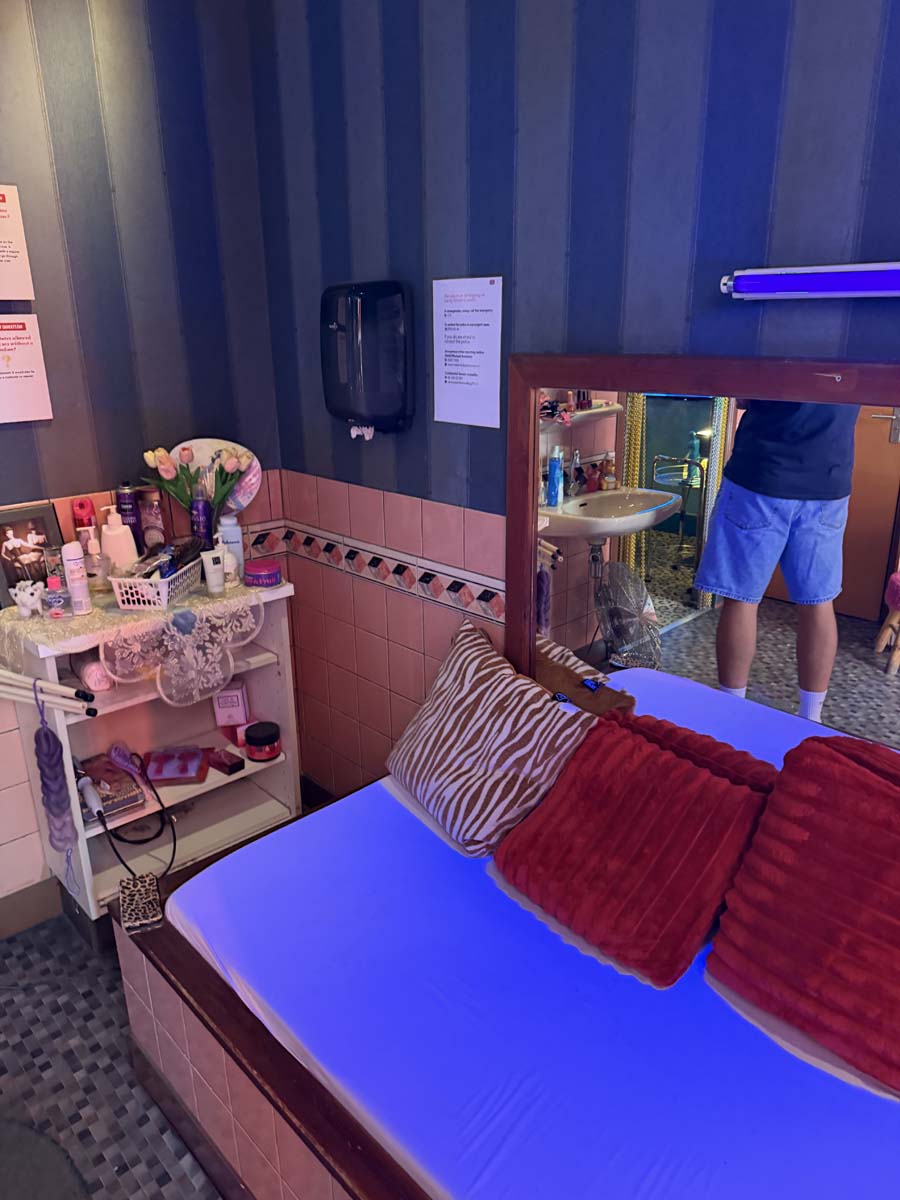
A former brothel room.
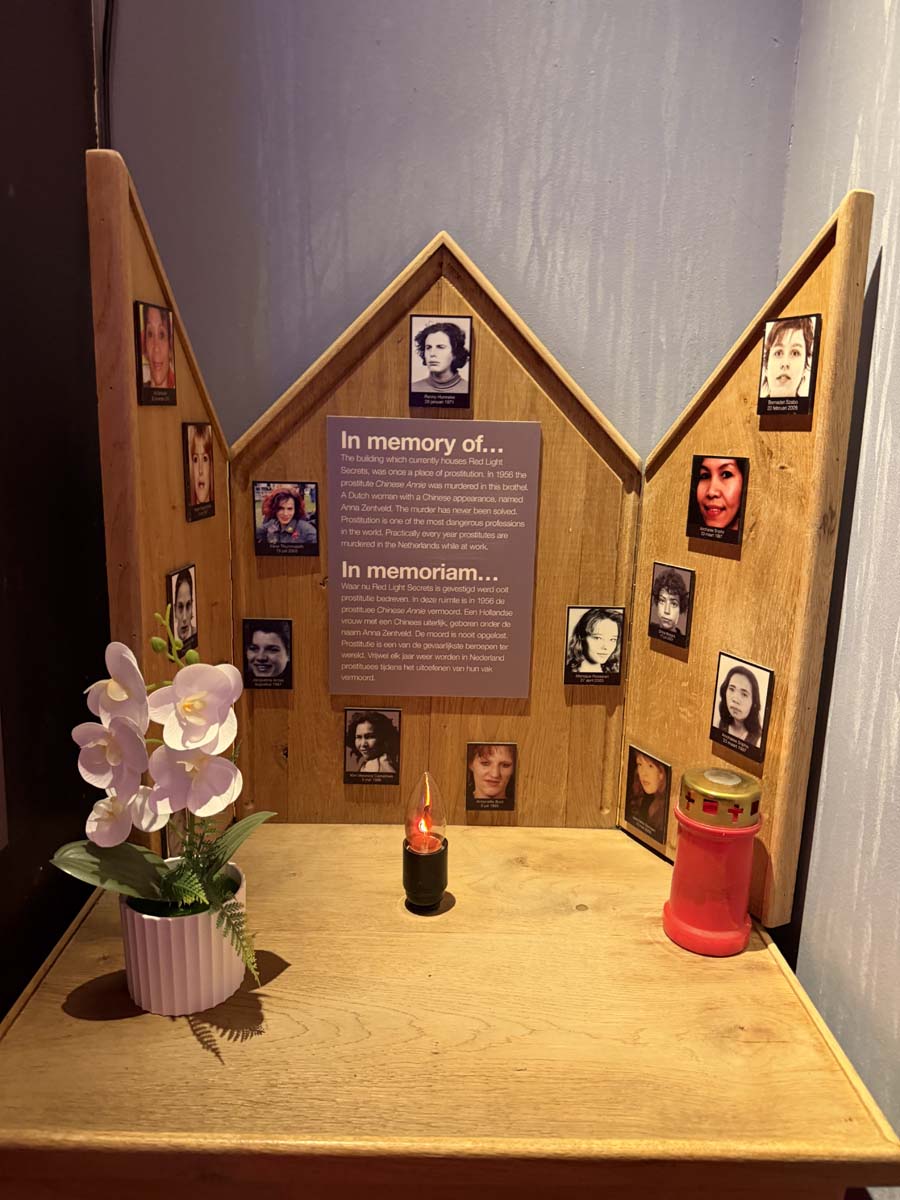
One of the women who worked in this brothel was murdered here and the case was never solved.
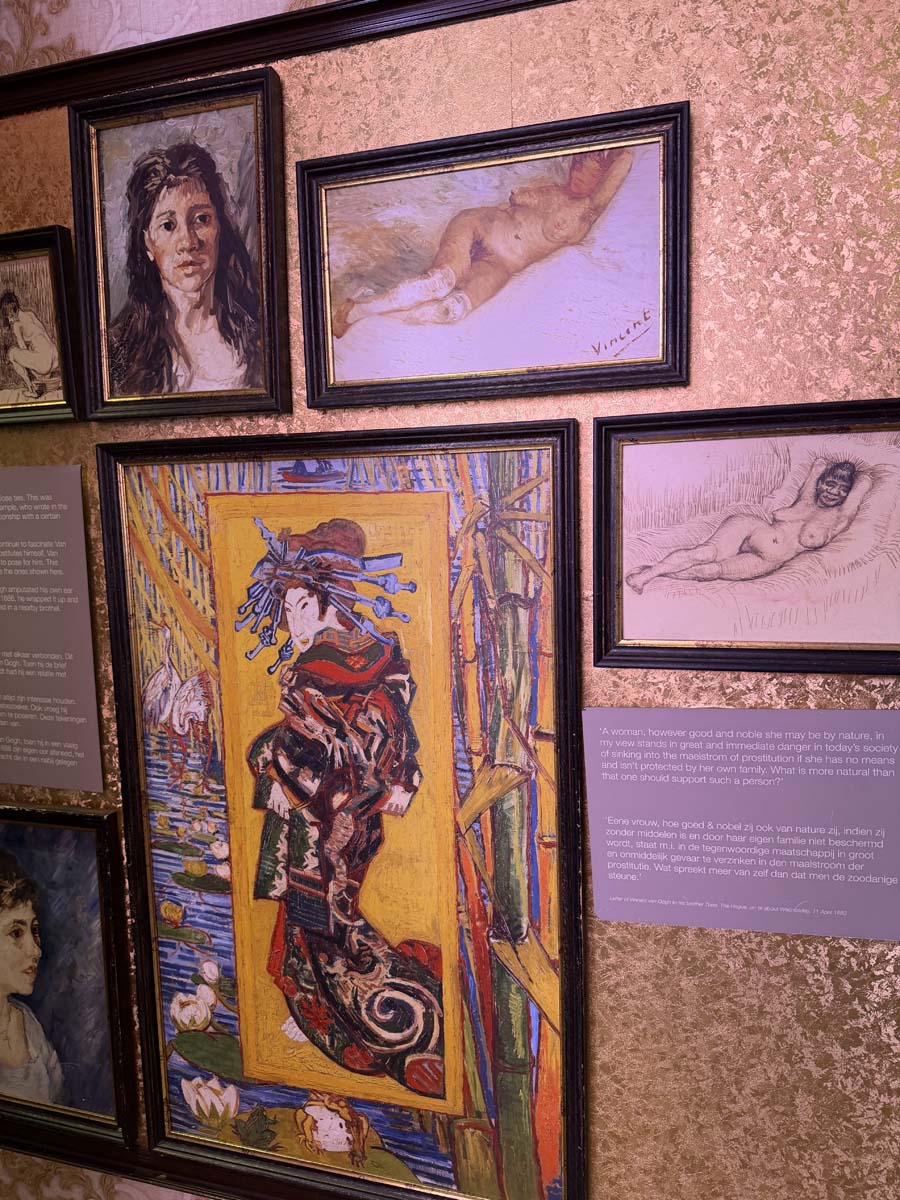
Sex worker art.
One of the most interesting parts was a wall of “Confessions” – notes written by visitors to the museum about their various taboos, mostly as it relates to sex workers. You really don’t want to read them, but if you feel you must I took a photo that you can blow up and peruse. They are not for the faint of heart. You have been warned.
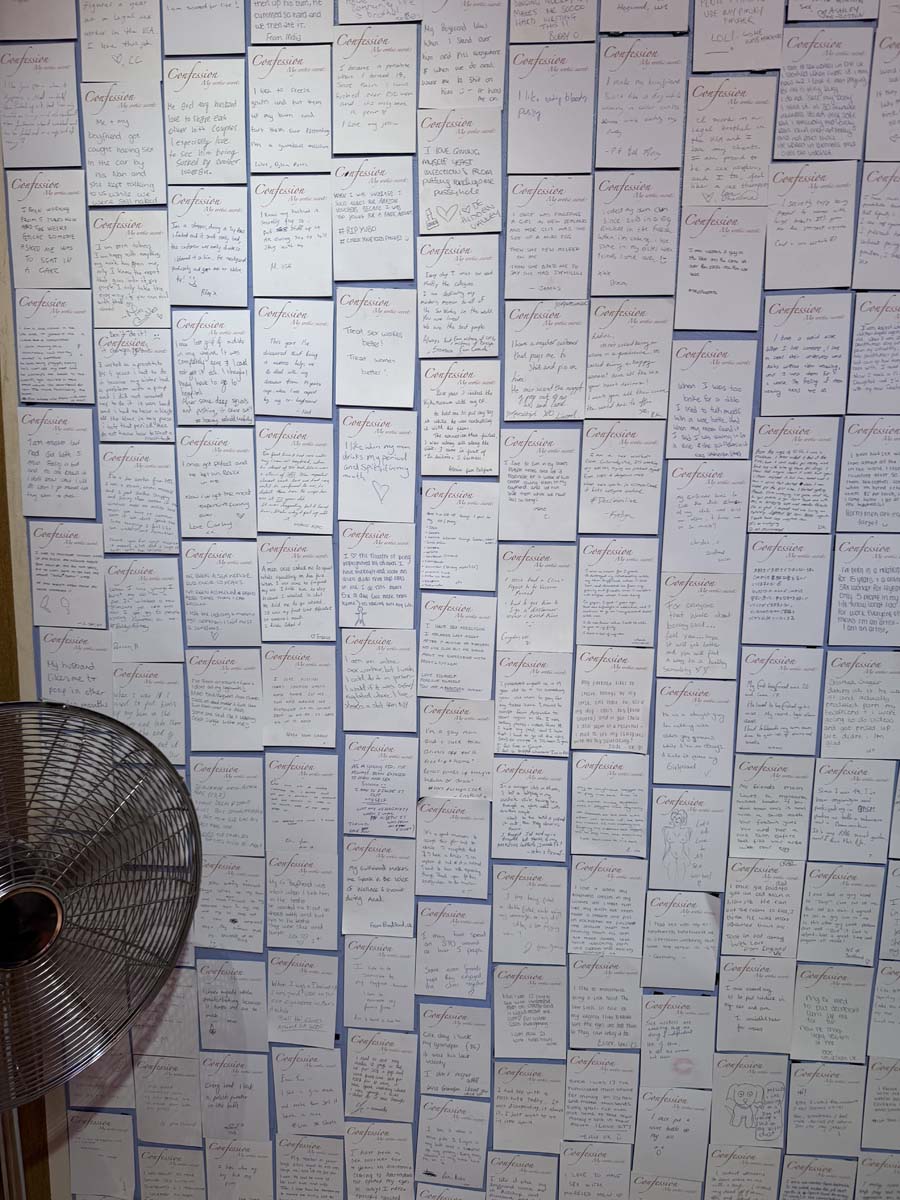
People say the darndest things.
I have absolutely no judgement about sex work – I think it should be legal and well-regulated to protect both the workers and the clients – but walking up the street afterward, seeing all the red curtain windows and, more importantly, the packs of straight guys being “Bros” – even though the windows weren’t open – gave me the icks. Hire all the prostitutes you want but show some respect. I know you’re thinking with it, but don’t be a dick.
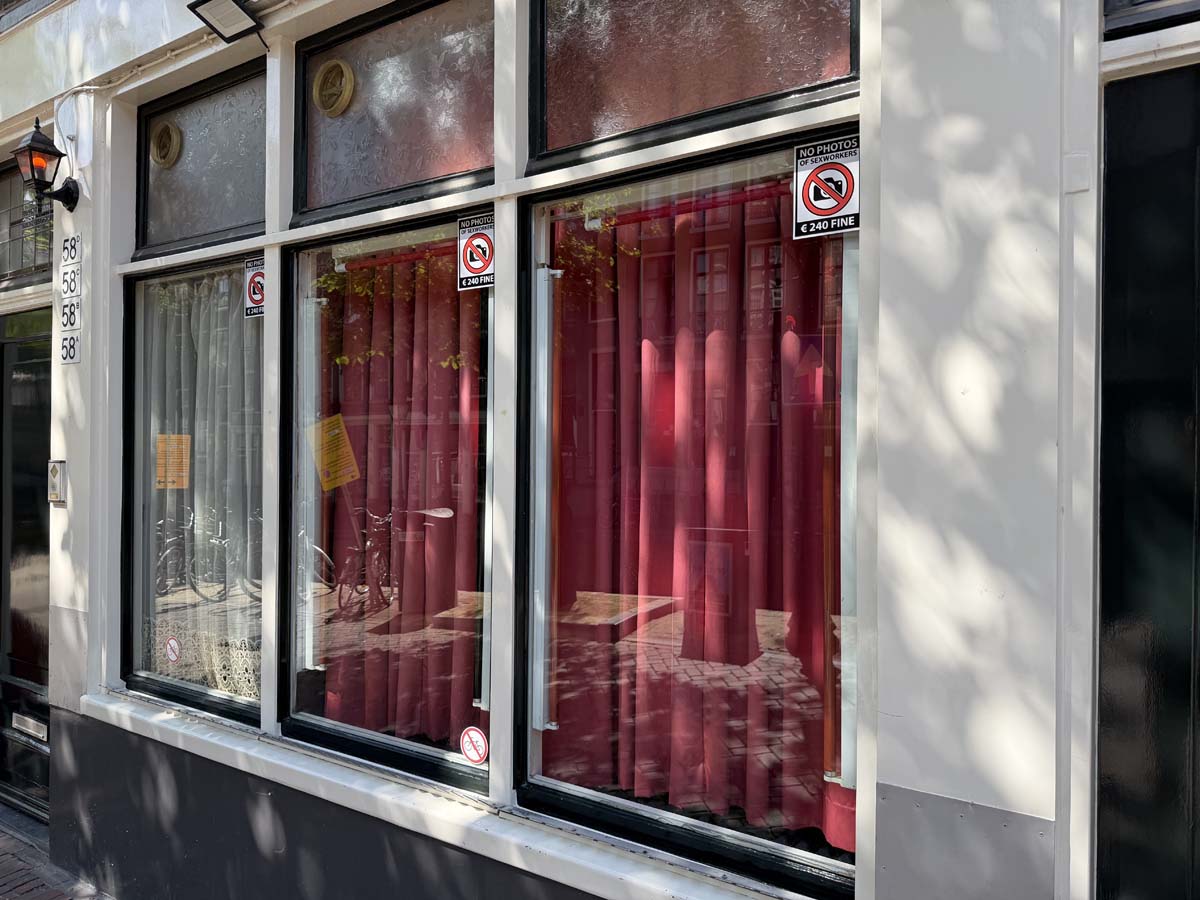
A red light district window.
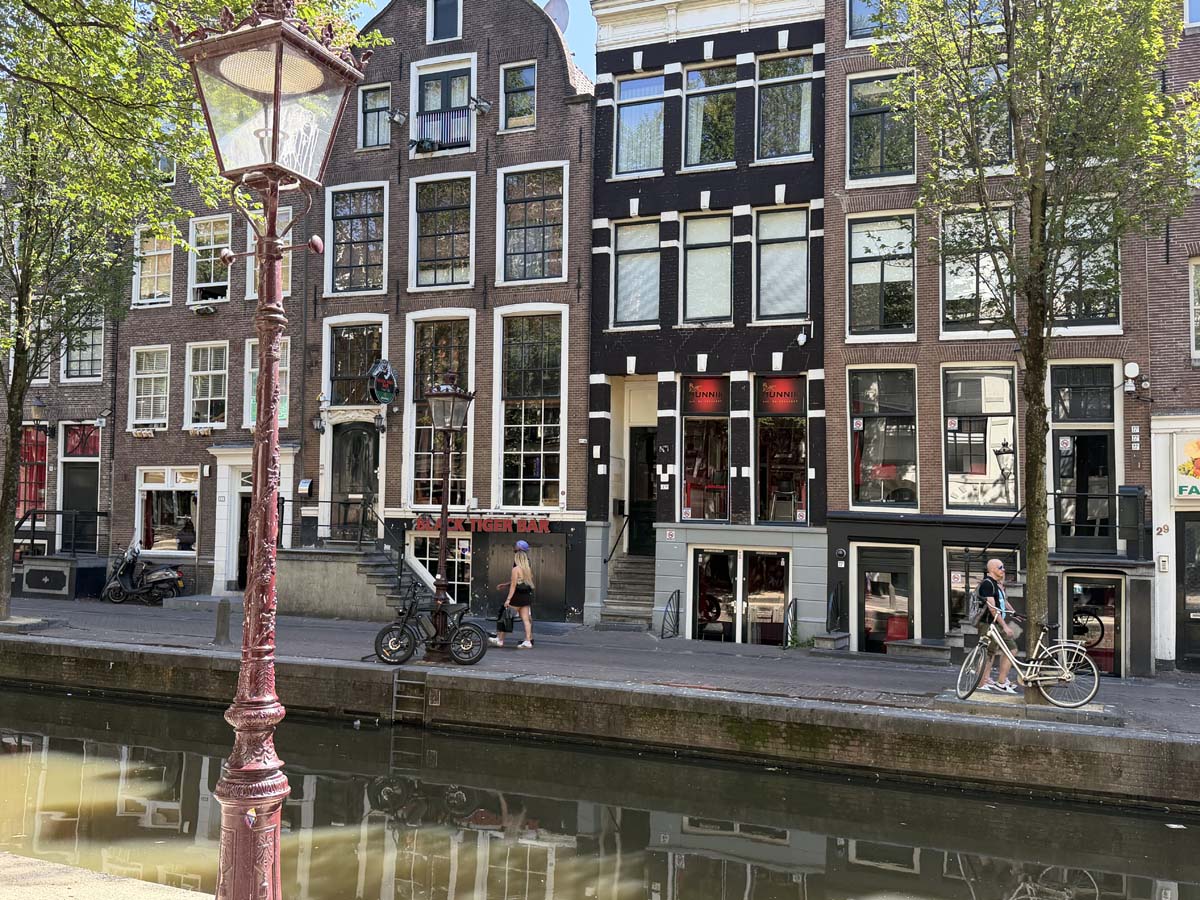
More of the red light district.
There were two more sex focused museums nearby, but I decided to move on to something a little more wholesome.
First, though, I stumbled upon a make your own chocolate bar store, Chocolonley. It was created by a guy who had discovered that a lot of chocolate, from the harvesting of cocoa beans to the manufacturing of it, is done with a significant amount of slavery and human exploitation. He started his own exploitation free line of chocolates, and you can design your own bar. The line was a little long and the ingredients of the day didn’t move me, so I skipped it, but good on them for doing some good.
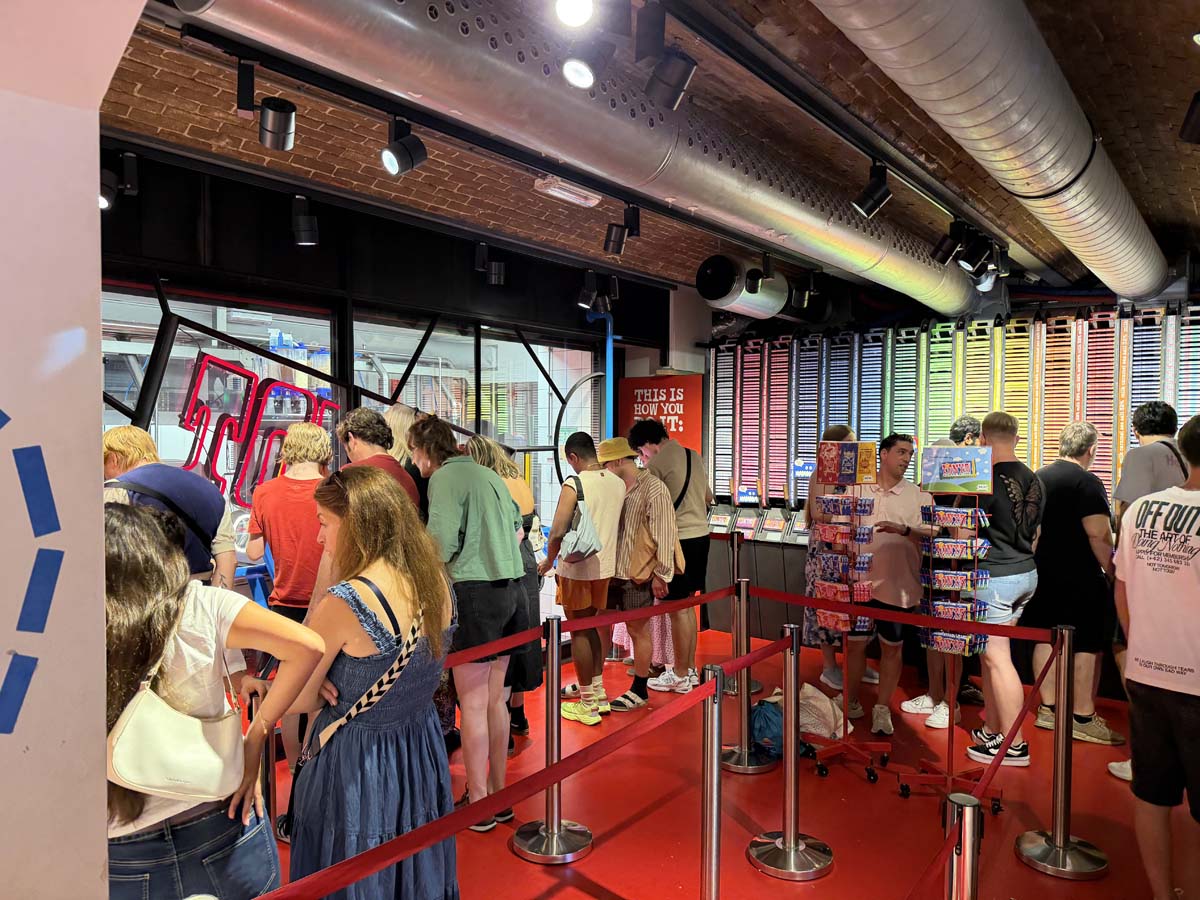
Make your own chocolate!
Lunch was in order so I found a brunch restaurant called Omelegg, where you get to create your own omelet. Mine had ham, cheese, tomatoes, onions, and bell peppers along with a side of sausage. The tomatoes were a little too much – half cherry tomatoes instead of diced regular tomatoes as God intended – but I shoved those to the side, and the rest was quite yummy.

Sunday brunch.
A few doors down is Geelvinck’s Pianola Museum. It was started by Theo de Boer and Kaspar Janse who started collecting pianola’s (aka player pianos) and music scrolls in the early 1980s and eventually opened a full museum in 1994. They have dozens of pianolas and more than 43,000 music scrolls, but only a small fraction of them are on display in the tiny museum.
A lovely guide explains everything, shows you how they work, and even lets you “play” the old ones that involve pumping pedals to make the piano play.

This pianola is an early example that is attached to a regular piano.
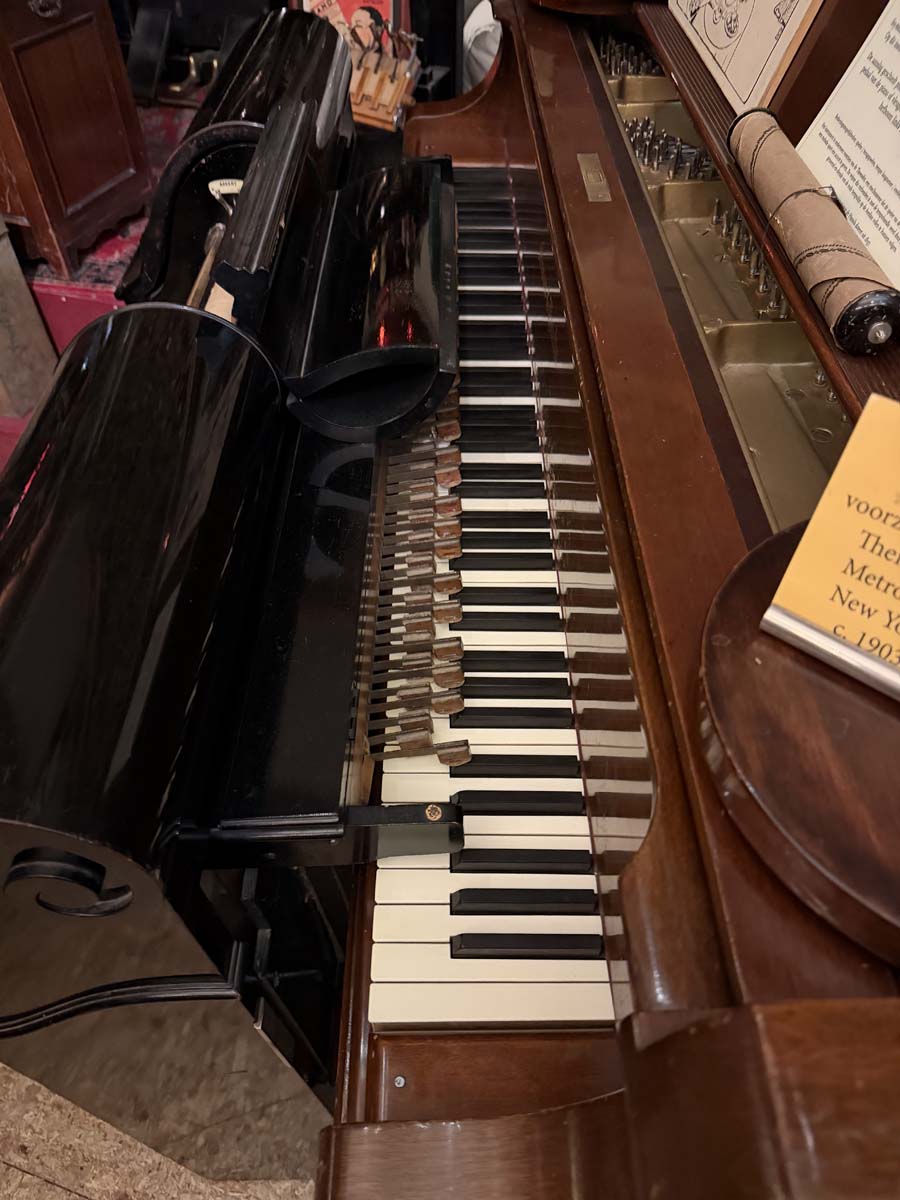
The early models only had 65 hammers. Later models went up to 88.
The process by which the scrolls were created is fascinating. Originally, musicians sat at tables with music scores and did everything by hand, marking the scrolls of paper with a pencil that were then punched and replicated. Later, musicians would play while the scrolls turned on a mechanical device underneath them, basically “recording” what they did. Famous musicians from Gershwin to Horowitz created pianola scrolls of their own music, which evolved over time to include tempo, volume, and sustain commands on the paper. Amazing.

A fraction of the music scrolls they have in their collection.
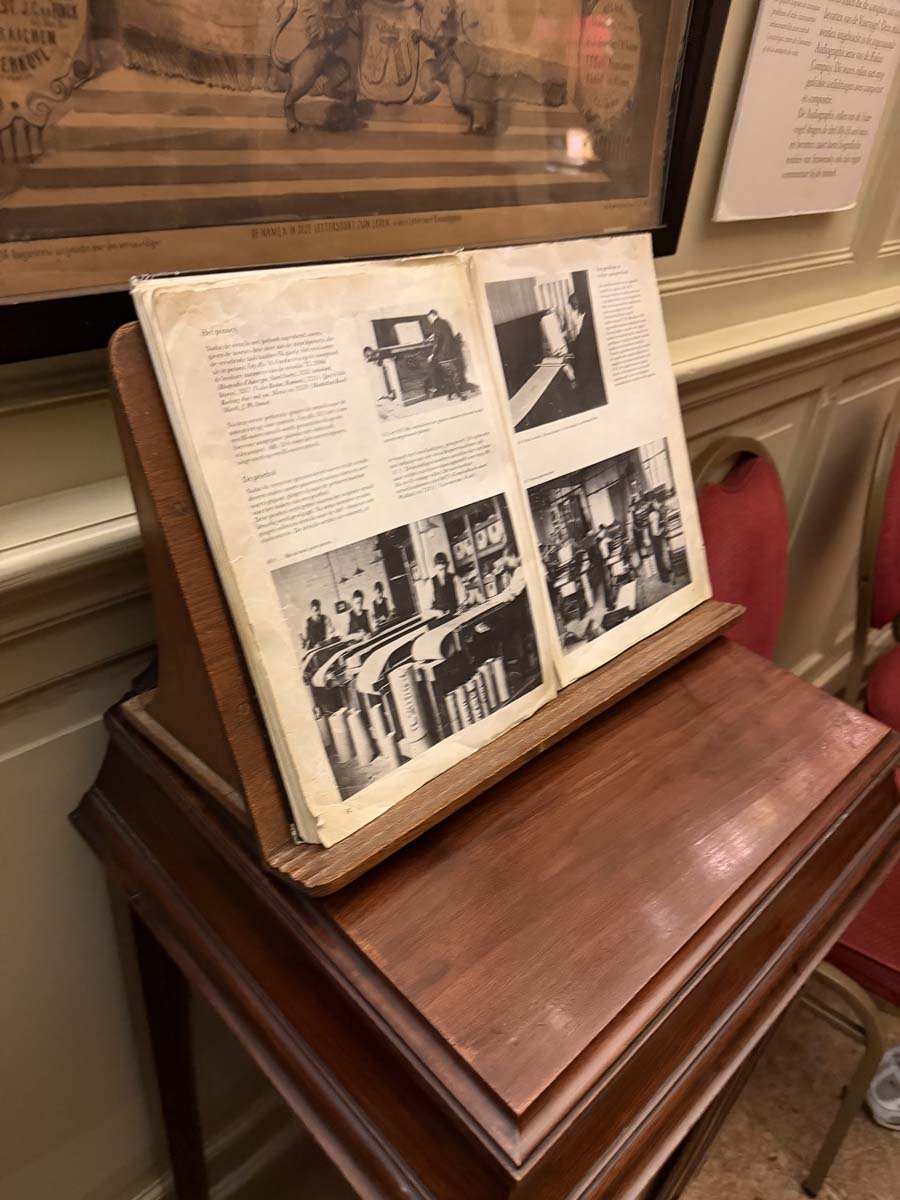
A book on how the scrolls are made.

An automated pianola – no foot pumps required.
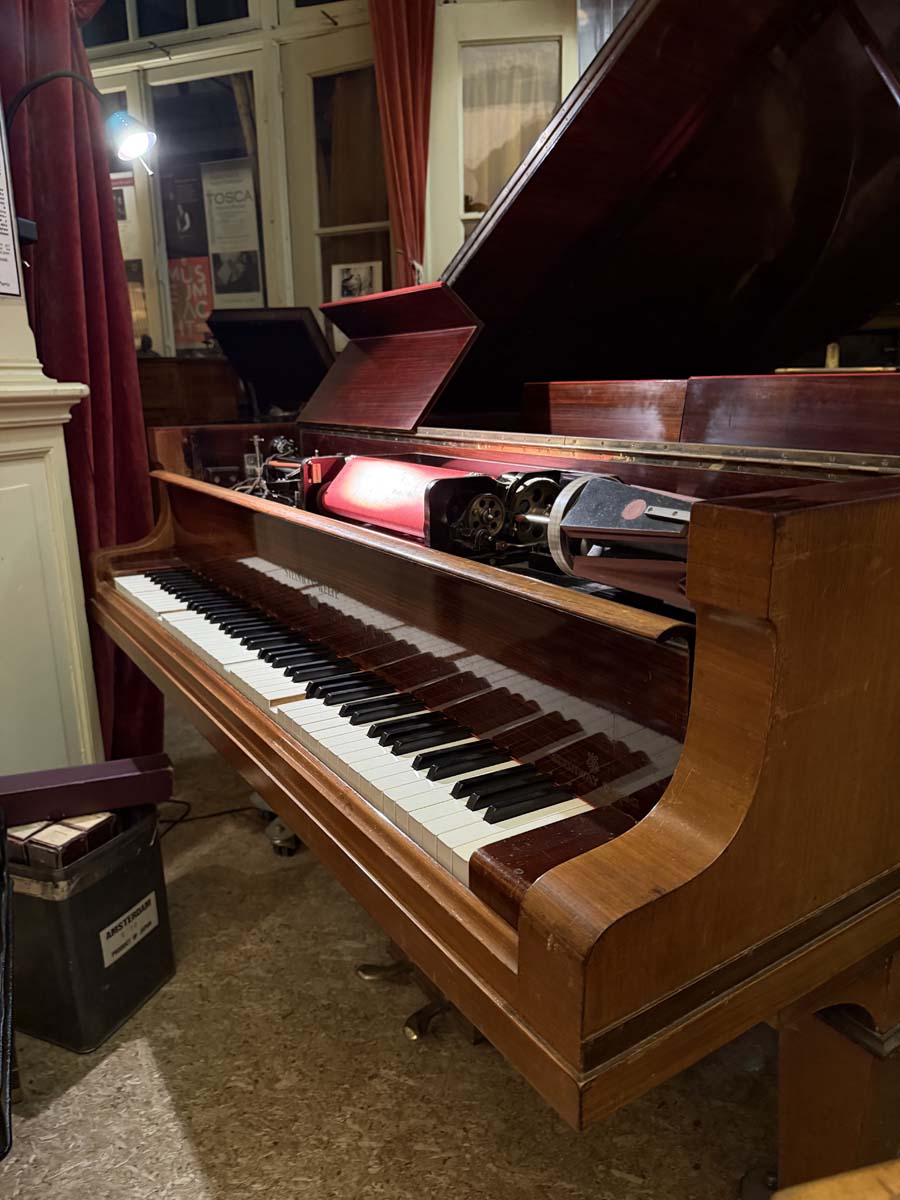
A classy pianola.
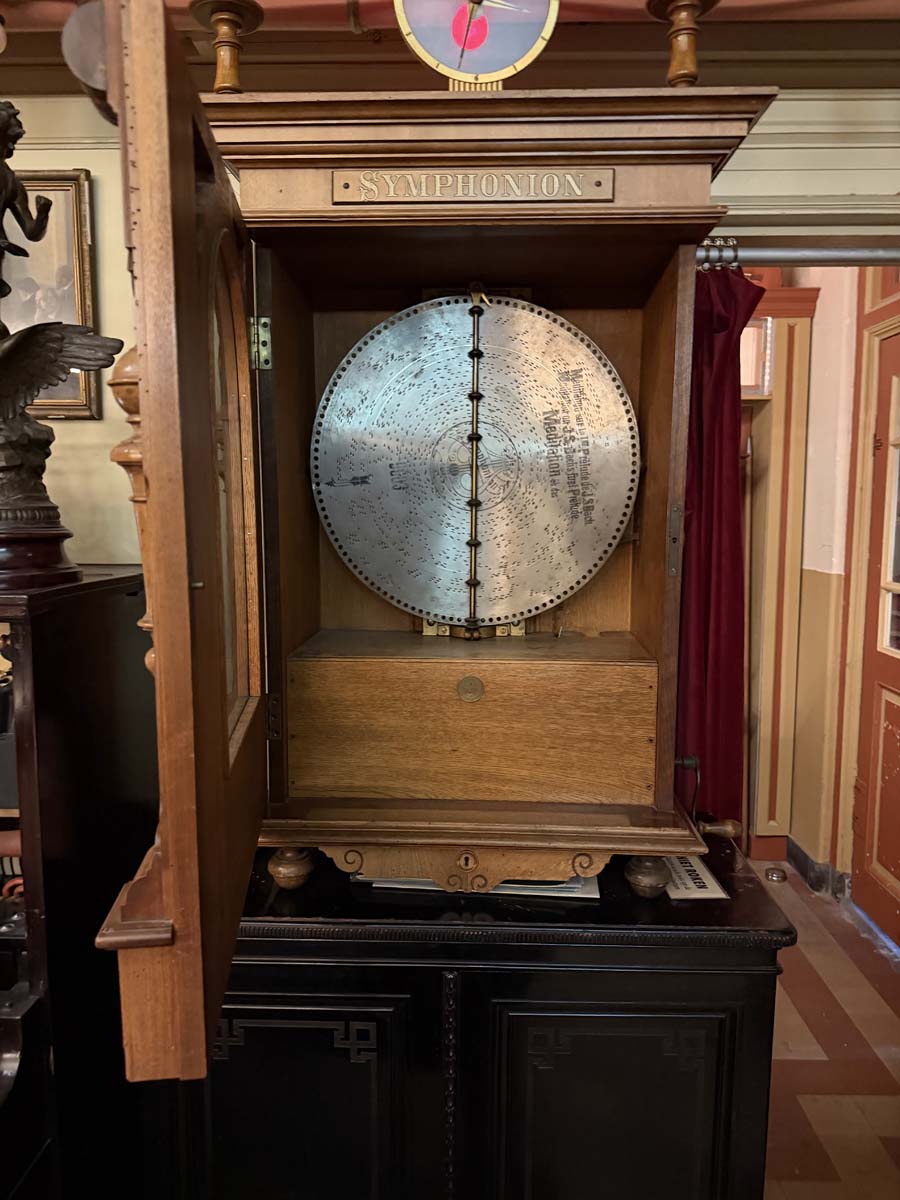
The museum has all sorts of automated instruments.
One of the coolest things in the museum is more than just a player piano, it’s a player orchestra. It was used in silent movie theatres and features piano, percussion, organ, and more. They were all thought to be lost, but during the renovation of an old movie theatre, this one was found behind a wall and restored, eventually making its way here. Incredible. And even more incredible that Mr. Janse came, now probably in his 80s or 90s, came out from his residence out back to fire the thing up for the visitors to the museum.
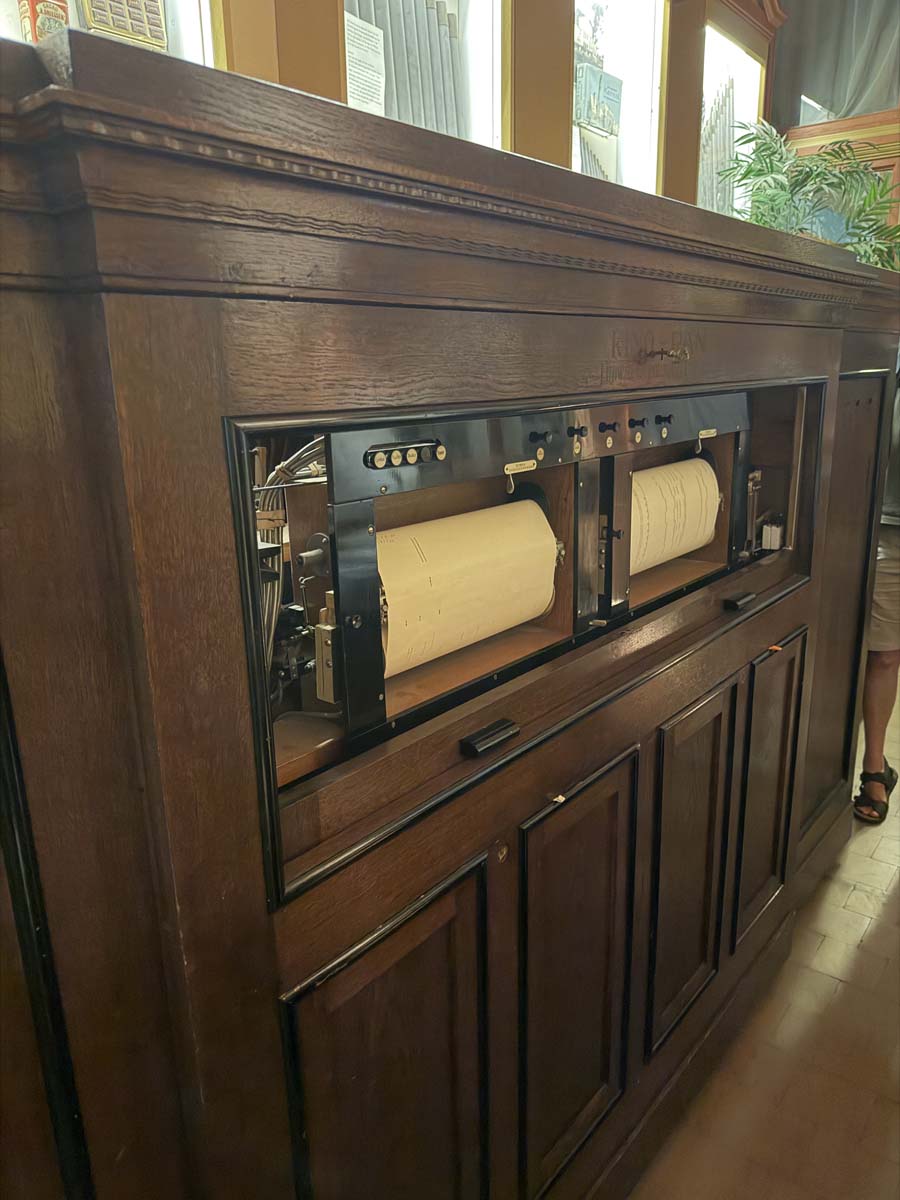
Silent movie theatre “orchestra.”
Another fascinating side note… the museum was created in a building that used to be a police station. The little doors and part of the displays are in the old cells.
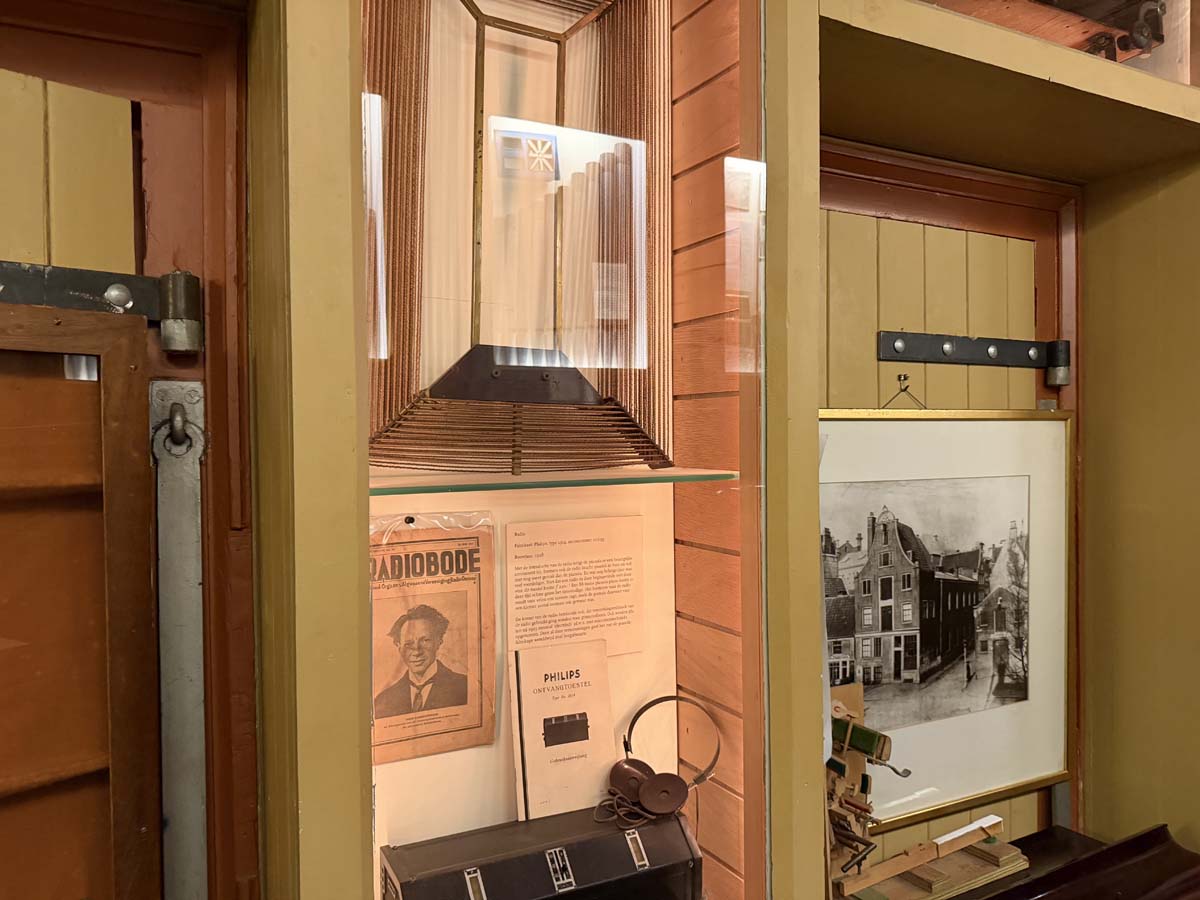
The little doors are the former jail cells.
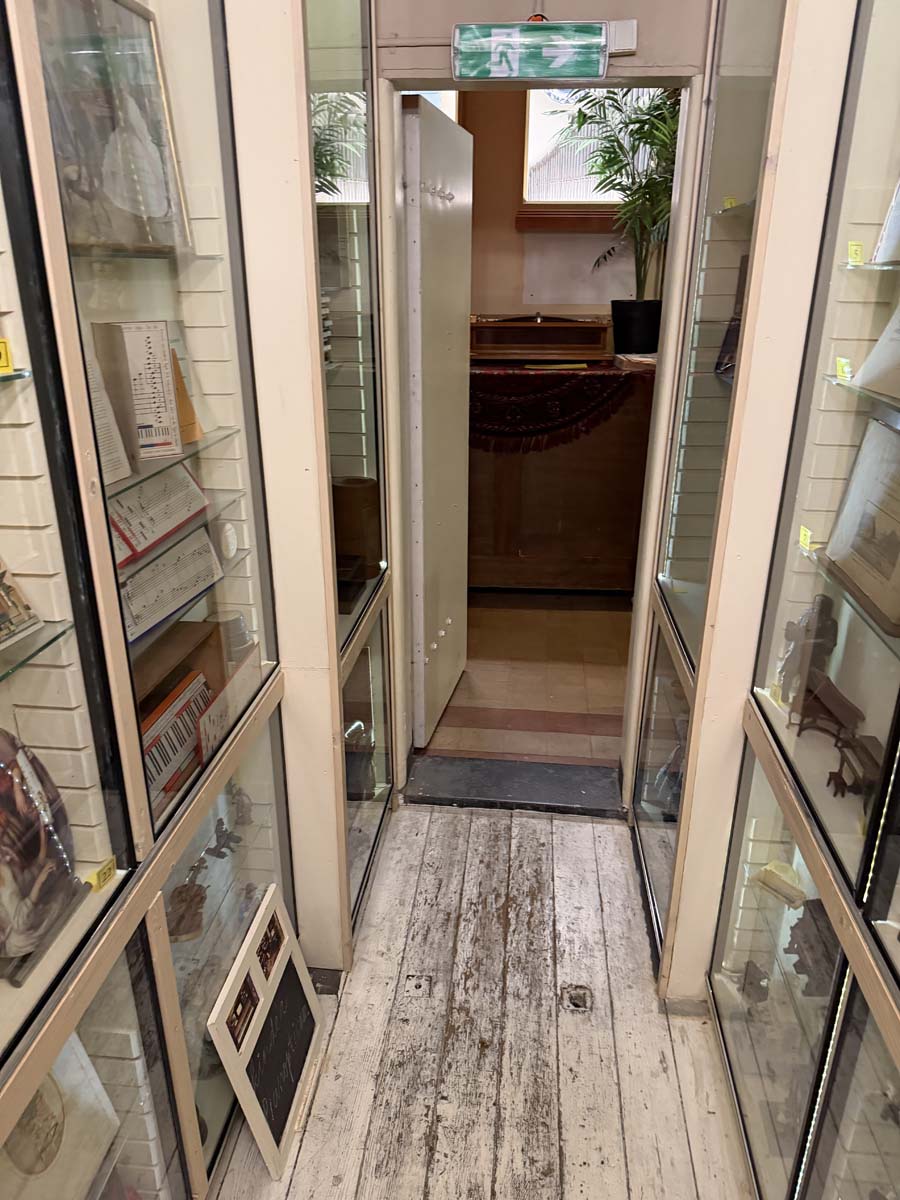
Inside one of the former cells.
This is the kind of museum I really love. Somone became fascinated with something and developed such a passion for it that they created their own collection that they wanted to share with the world. Give me a dusty pianola museum over Uffizi any day of the week.
My final stop for the day was the Anne Frank House. Everyone knows the story of the girl and her family who lived for years in hidden rooms above a warehouse to escape capture by the Nazis, eventually discovered, and put to death in concentration camps. This is the building in which the family hid and it traces the history and horrors of the time as you climb steep staircases and ladders into the tiny rooms.
It’s a very well-done facility but I didn’t really learn anything new. I’m not sure what I was hoping for, but I though I’d gain some new insight or get some deeper context around what this girl went through. I think the only thing that really struck me were the lines on the wall, preserved behind glass, that Anne’s parents used to mark how tall her and her sister were getting. Such a normal thing in such an abnormal place.
Parenthetically, they don’t allow photos inside, so I have nothing to show you on this one.
I went back to the hotel to chill and then eventually went out to dinner. I was in the mood for Chinese, so I found a little slip of a place nearby called Tasty Asia. You can always tell how authentic the place is by how many people of Asian descent are eating there and that was pretty much everyone else in the restaurant. I got chicken gyoza and a beef in soy-garlic and was very pleased with my choices.
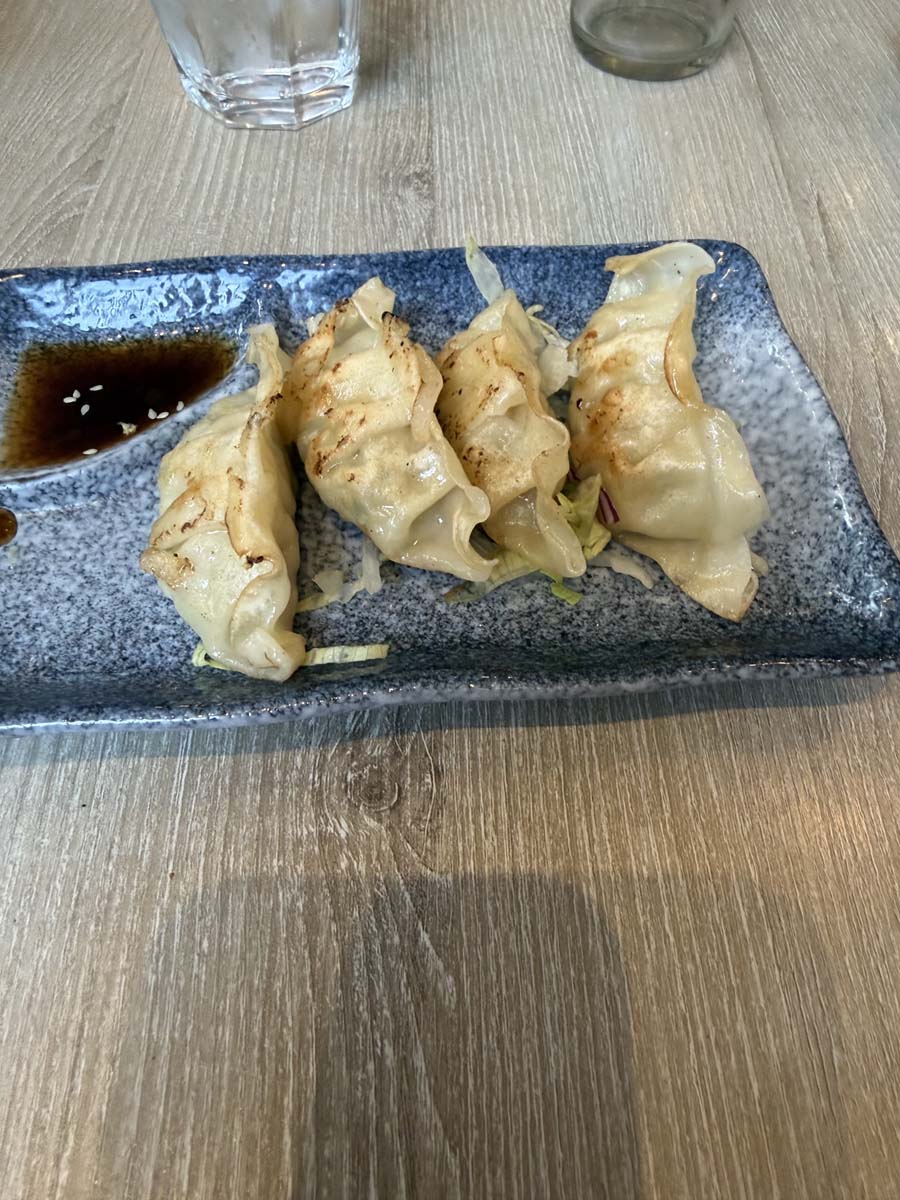
Traditional Dutch gyoza.
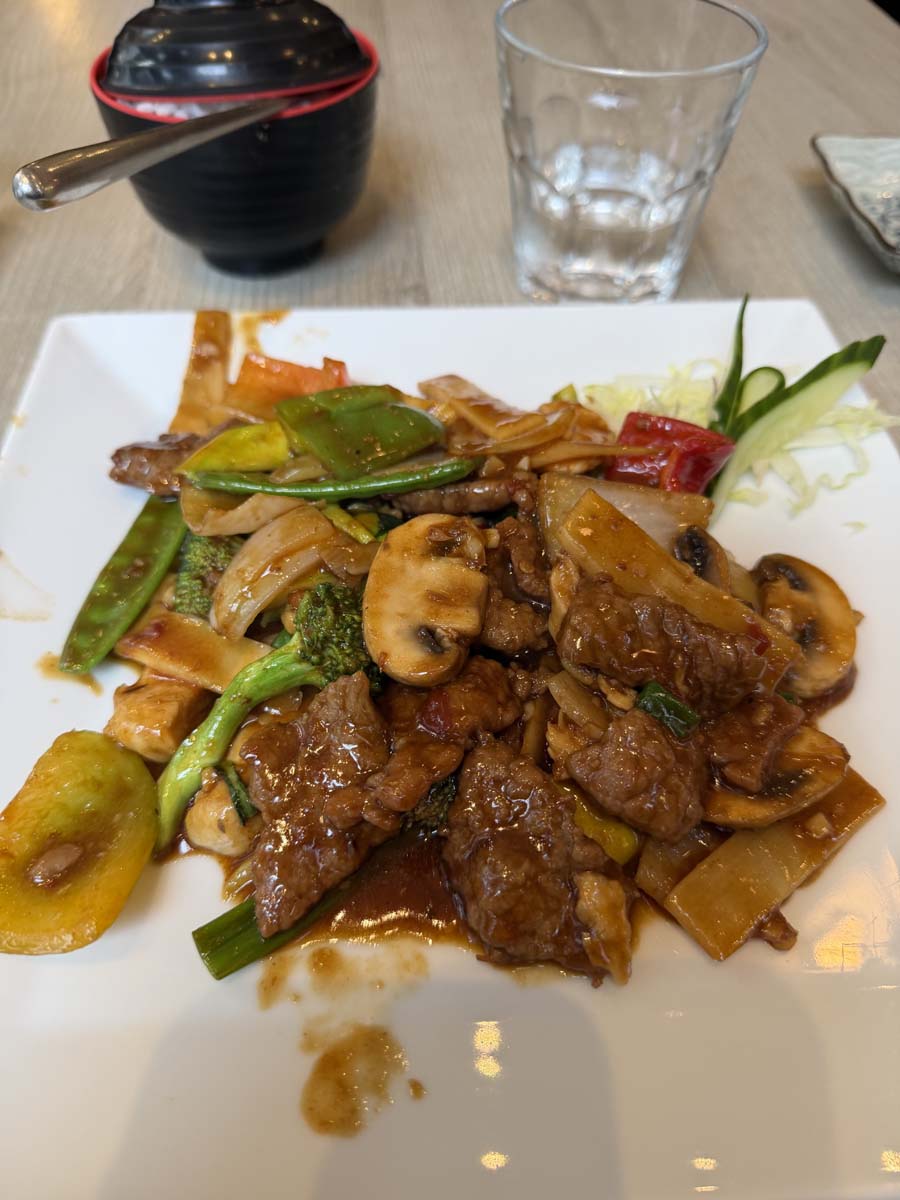
An old Holland recipe of soy-garlic beef.
Tomorrow is my last day in Amsterdam, my last day of the trip (not counting the one that will involve flying home). I’m not sure how I’m spending it. How the cold is doing will drive a lot of those decisions – but regardless of if I go out and explore more or stay in and lounge around, I’m going to appreciate it.